
The short answer: For most e-commerce businesses in Lebanon, pausing ads during a crisis is the wrong move. People are home and on their phones more, competitors pull back so ads get cheaper, and delivery keeps selling while stores slow down. Keep campaigns running, but change the message to delivery, stock and trust, and avoid tone-deaf copy.
The question I’m being asked most often by my e-commerce and retail clients in Lebanon right now is a tough one: “With everything happening, should we stop our online campaigns? Or do we keep them going?”
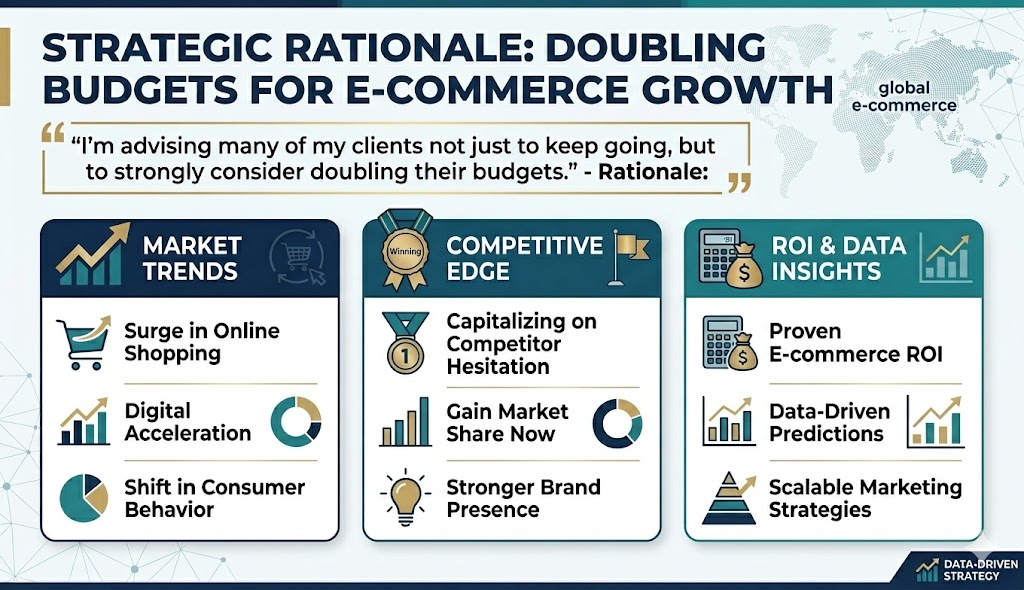
It’s a scary time, and the immediate instinct is to freeze or to preserve resources and go silent out of respect or fear. But for businesses with an online sales component, a proactive E-commerce strategy in Lebanon isn’t just about survival; it’s about maintaining a lifeline to your customers. I’m advising many of my clients not just to keep going, but to strongly consider doubling their budgets.
1. A Captive, Highly Engaged Audience
During times of conflict and uncertainty, people’s mobility is severely limited. They stay home. And what happens when we’re at home? Screen time skyrockets. People are on their phones for information, for connection, for distraction, and for necessity.
Some data suggests a 50% or more increase in mobile usage during crises. Your customers are online more than ever before. If you stop your ads, you become invisible to them at the very moment they are most digitally engaged. A successful E-commerce strategy in Lebanon requires meeting the audience where they are—which, right now, is behind a screen.
2. The Competitive Landscape is Emptying
This is the hard truth of business strategy:
-
Small competitors are pausing: Due to limited funds or immediate operational panic, many small businesses and investors will immediately stop their ad spend.
-
Big (but slow) competitors are pausing: Even large, established companies can be frozen by an “outdated mentality” or bureaucratic hesitation. They see a crisis and their reflex is to stop everything, not to adapt.
This means the cost of advertising (CPM and CPC) often drops as competition for ad inventory decreases. The noise is quieter. Your voice will be louder, and your reach will be more cost-effective than ever.
3. The Digital Shift: Necessity Over Luxury
When moving around a city is difficult or unsafe, physical retail takes a hit. However, human needs don’t vanish. People still need groceries, health products, home goods, and even “affordable luxuries” that provide a sense of normalcy.
By running ads, you’re not just selling; you’re letting customers know: We are open. We are here. We can get you what you need. An active E-commerce strategy in Lebanon transforms your business from a mere store into a reliable service provider.
4. Refining Your Messaging for the Moment
While I advocate for increasing spend, I do not advocate for “business as usual” messaging. Your creative must pivot.
-
Acknowledge the Context: Don’t use overly bubbly or tone-deaf copy.
-
Focus on Logistics: Highlight delivery safety, stock availability, and lead times.
-
Build Trust: Use this time to offer value, perhaps through flexible payment terms like Cash on Delivery (COD) or localized support.
5. Long-Term Brand Equity
Market share is hardest to gain during periods of stability and easiest to capture during periods of flux. When you stay present while others disappear, you build a “top-of-mind” status that lasts long after the crisis settles. Customers remember the brands that were there for them when the world felt unpredictable.
The Verdict: Pausing might save you a few dollars in the short term, but it costs you your digital footprint and your relationship with your audience. Pivoting your E-commerce strategy in Lebanon to be more aggressive, yet more empathetic, is the path to long-term resilience.
Let’s discuss. What is your strategy right now?

Frequently asked questions
Should e-commerce businesses in Lebanon pause ads during a crisis?
Usually not. Customers are online more than usual, and staying visible while others go quiet protects your sales and your market share.
Why can ads get cheaper during uncertain times?
Many small and large competitors stop advertising, so there is less competition for the same ad space and costs per view and per click often fall.
How should ad messaging change during a crisis?
Acknowledge the situation, avoid overly cheerful copy, focus on delivery, stock and lead times, and build trust with options like cash on delivery and local support.
