
In the 2026 conflict between the United States and Iran, the most significant battles didn’t happen on a physical map. They happened on screens. We’ve reached a point where war is effectively 50% military action and 50% marketing. If you can’t control the narrative and turn public opinion, winning on the ground doesn’t mean much anymore.
Here is a look at how modern marketing and AI have fundamentally changed the nature of global conflict.
The 50/50 split of modern warfare
Military strategists now treat “information operations” with the same level of importance as troop movements. In the recent US-Iran escalation, every missile strike was accompanied by a coordinated digital campaign. The goal isn’t just to destroy a target; it’s to frame that destruction in a way that makes the other side look weak or immoral.
Marketing in this context is about three things:
-
Validation: Convincing the world that your side is the “good guy.”
-
Demoralization: Making the enemy’s civilian population feel like their cause is hopeless.
-
Subversion: Using economic and social pressure to make the enemy’s own citizens turn against their leaders.
AI and the end of “seeing is believing”
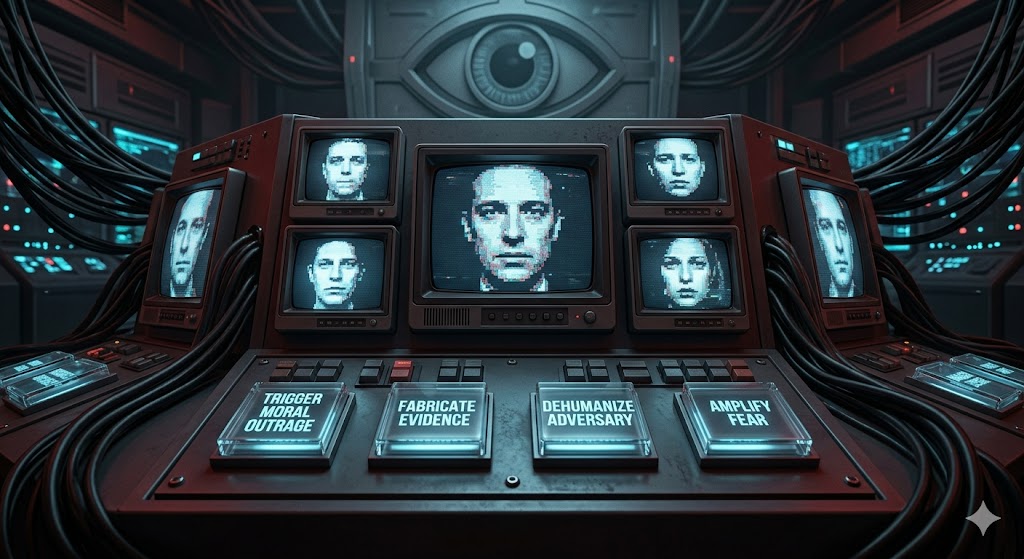
Generative AI has completely disrupted how we process war news. During the 2026 strikes, AI-generated photos and videos went viral before official sources could even confirm the events.
We saw “hyper-realistic” fakes showing landmarks under fire, designed to cause immediate panic in global markets. But there is a secondary effect called the “liar’s dividend.” When everything could be fake, governments can claim that real, incriminating footage is just an AI fabrication. This creates a “fog of war” where people eventually stop believing anything they see, which is a massive win for whoever wants to hide the truth.
Why LEGO animations became a weapon
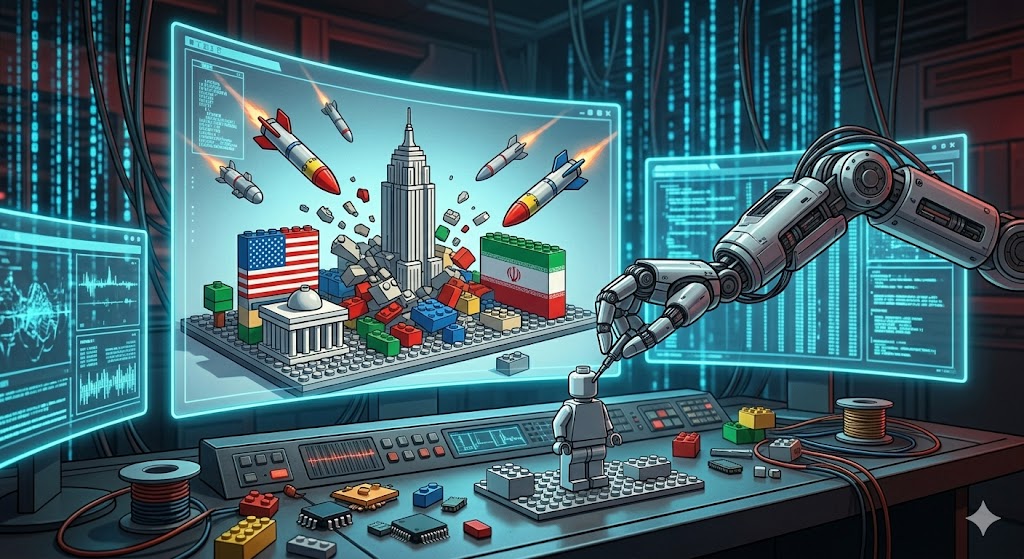
One of the strangest trends in the latest conflict was the use of AI to create LEGO-style war animations. It sounds absurd, but it’s a calculated marketing move.
By using a “toy” aesthetic, state-linked media can bypass the natural psychological barriers we have against violence. It turns a grim missile strike into something that looks like a game. This makes the content much more likely to be shared by younger audiences on social media, effectively “gamifying” the war and making the destruction of an adversary look trivial or even funny.
The bot war on X
Social media, particularly X, served as the digital frontline. It wasn’t just about simple spam; it was about “conversational subversion.”
Advanced AI bots are now programmed to mimic the speech patterns of real, frustrated citizens. They don’t just post slogans; they join threads to complain about inflation, “forever wars,” and government spending. By flooding the zone with these manufactured opinions, they can make a small minority of dissent look like a massive, unified movement, slowly eroding domestic support for military action.
The takeaway
The last Iran-USA conflict proved that while bullets can take a hill, algorithms take the mind. When war is marketed like a summer blockbuster—using AI animations and viral influencers—the line between “winning” and “trending” starts to blur. In 2026, the side with the better marketing strategy often held more power than the side with the most advanced hardware.
